
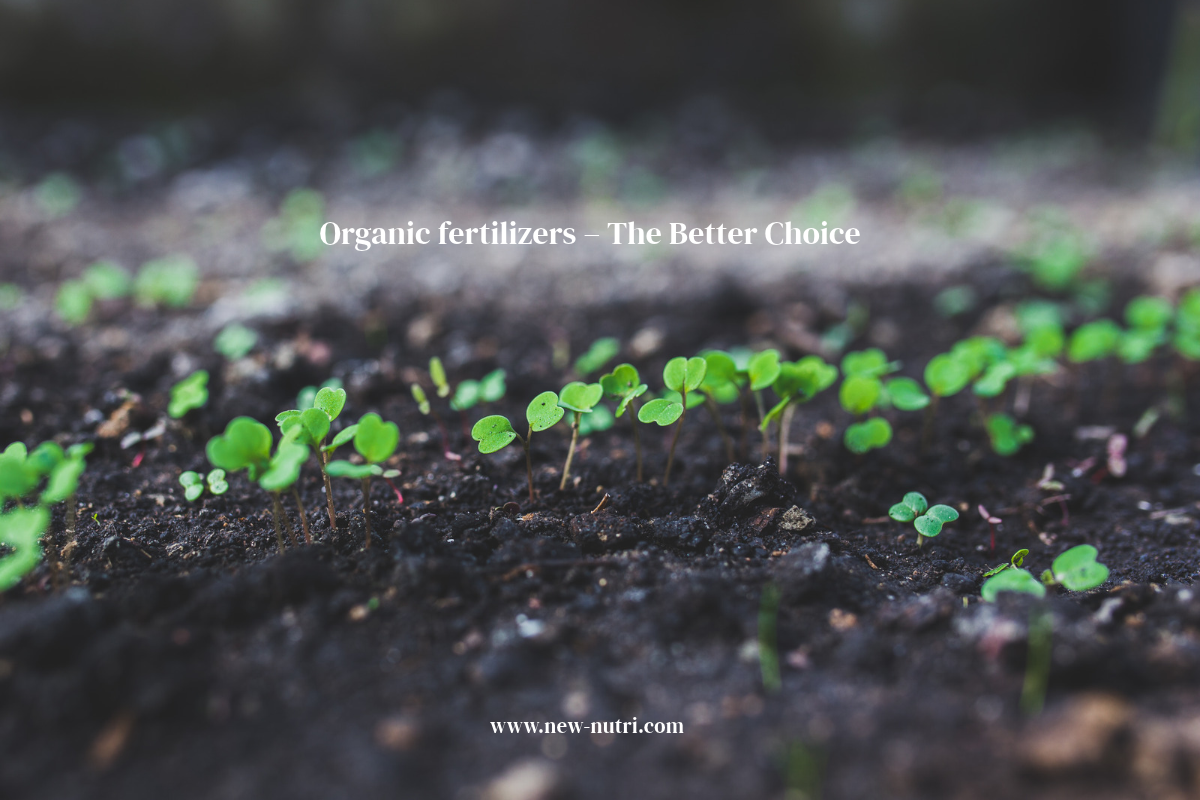
Organic fertilizers are gaining popularity due to a combination of environmental, health, economic, and societal factors. Here’s a structured analysis of the key reasons:
- Environmental Sustainability:
- Reduced Pollution: Organic fertilizers minimize nutrient runoff and water contamination, addressing issues like algal blooms caused by synthetic fertilizers.
- Soil Health: They enhance soil structure, promote microbial activity, and prevent degradation (e.g., salt buildup), supporting long-term agricultural productivity. Humic Acid Fertilizer is one of them.
- Carbon Sequestration: Organic matter in these fertilizers helps sequester carbon, mitigating climate change impacts.
- Health and Safety:
- Chemical-Free Food: Consumers increasingly prefer organic produce to avoid synthetic chemical residues, aligning with the growth of the organic food market.
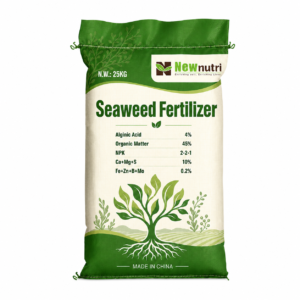
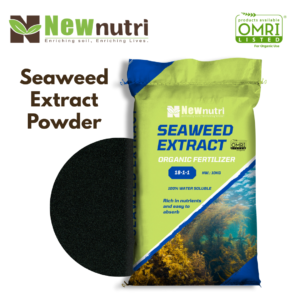
- Certification Standards: Organic certifications (e.g., USDA Organic) mandate the use of organic inputs, driving demand among farmers.Five of New-Nutri products are OMRI certified for organic use:New-Nutri Amino Acid, New-Nutri Potassium Humate, New-Nutri Seaweed Extract, New-Nutri Organic Granule, New-Nutri Best Farm 12.

- Economic and Policy Factors:
- Government Incentives: Subsidies and policies promoting sustainable agriculture encourage organic fertilizer use.
- Cost Efficiency: While initially costly, organic fertilizers can reduce long-term expenses by improving soil health and reducing dependency on external inputs.
- Circular Economy: Utilization of agricultural/animal waste (e.g., compost, manure) lowers production costs and supports sustainability.
- Cultural and Social Shifts:
- Consumer Demand: Rising demand for organic products pressures farmers to adopt organic practices.
- Urban Gardening: Home gardeners and small-scale farmers favor organic methods for personal health and environmental reasons.
- Education/Awareness: Campaigns and media highlight the benefits of organic practices, influencing both public perception and agricultural trends.

- Technological and Regulatory Changes:
- Advancements: Improved production methods enhance the efficiency and accessibility of organic fertilizers.
- Regulatory Restrictions: Bans or limits on synthetic fertilizers in certain regions push farmers toward organic alternatives.
- Climate and Agricultural Practices:
- Lower Carbon Footprint: Organic fertilizers avoid the high energy costs associated with synthetic production (e.g., Haber-Bosch process).
- Regenerative Agriculture: Movements focused on soil health and sustainability prioritize organic inputs as part of holistic farming systems.
Conclusion: The shift toward organic fertilizers reflects a broader societal move toward sustainability, health consciousness, and climate resilience. Driven by consumer preferences, regulatory frameworks, and technological advancements, their popularity is likely to continue growing as these trends intensify.



Leave a Reply