
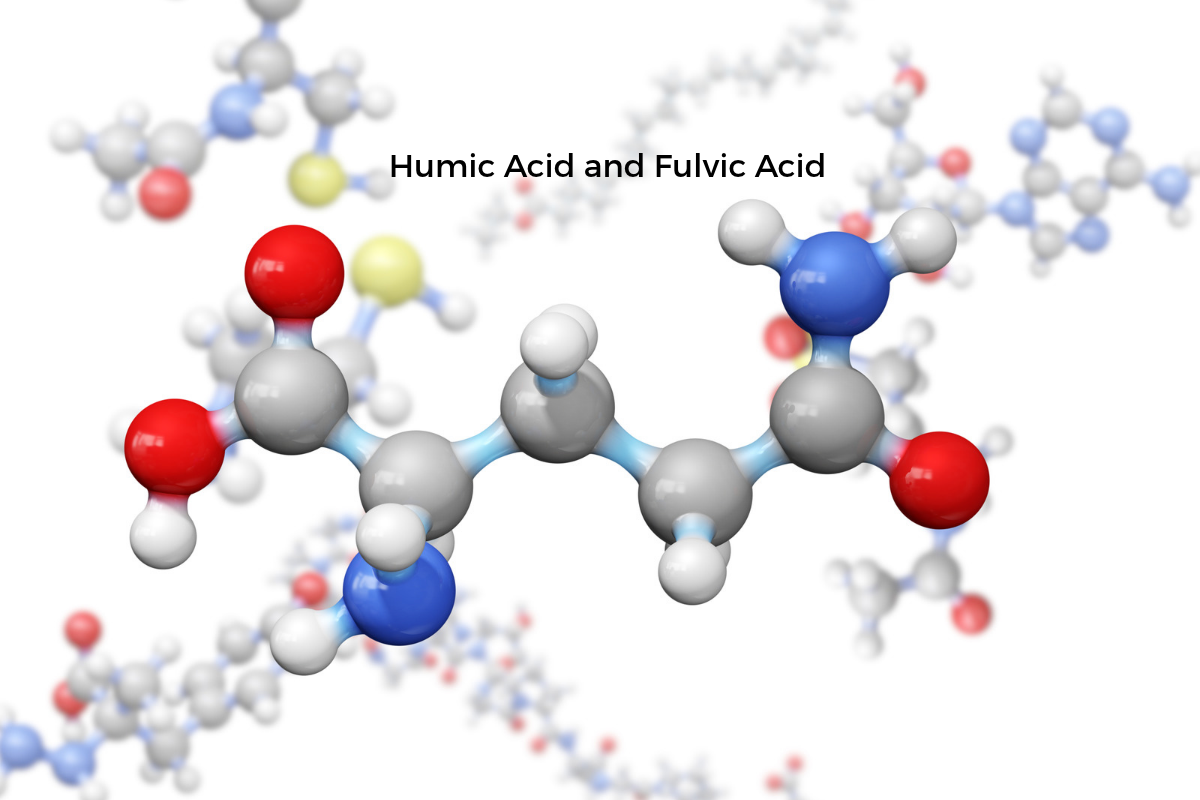
The terminology often used with the various organic materials marketed today is confusing to both farmers and crop advisors. Among these are humates, humic substances, humic acid, fulvic acid, humins and humus.
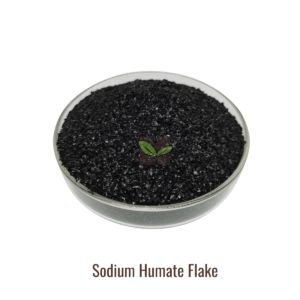
I will only address the differences between New-Nutri humic acid and New-Nutri fulvic acid here in this article. Humic acids are either chains of carbon molecules or rings of carbon molecules also containing oxygen, hydrogen, nitrogen and sulfur and can be quite diverse. Molecular weight (size) of humic acid molecules can vary from 50,000 to more than 500,000. They are soluble in water under alkaline conditions, but precipitate when the pH is below 2. They function in many ways, from altering the physical characteristics of the soil to stimulate chelation of various nutrients. From stimulating metabolic plant processes to anchoring nitrogen. Humic acid is black in color. Most humic acid also contains some fulvic acid.


 Fulvic acids are a mixture of weak chains and rings of organic acids. Their molecular weight (size) is much smaller that humic acid and are sometimes referred to as low molecular weight humic substances. The molecular 1weight (size) of fulvic acid molecules can vary from 100 to 10,000. These organic acids are soluble at all pH ranges. Fulvic acid molecules, because they are small sized, can easily be absorbed by plant roots, stems, and leaves carrying trace minerals and other nutrients with them. They are excellent additions for both in-row applications and also foliar applications. Fulvic acid can bring into soil solution significant amounts of iron reducing chlorosis in high pH soils. Fulvic acid also stimulates root growth so a plant can increase both water and nutrient uptake. Fulvic acid is a honey colored product.
In simple terms humic acids are much larger molecules than fulvic acid. If we were to think of fulvic acid as the size of a Volkswagen, then humic acid is the size of a 100 railcar train or larger. Since the railcars (humic acid) may have some Volkswagens (fulvic acid) on them, some of the humic acid will be absorbed by plants. The Volkswagen (fulvic acid) can give nutrients a ride into the plant as well. The large molecules (whole trains) are too large for plant absorption and mostly improve soil physical characteristics or provide a place for a nutrient (ie. nitrogen) to ride or be anchored so as not to be leached or changed chemically until it can be absorbed by a plant root. Responses of humic acid and fulvic acid are greatest when applied with crop nutrition.


Leave a Reply