
First, let’s take a look at the structure of fulvic acid:
Fulvic acid contains a large number of functional groups, which act on the soil particles to form a structurally stable aggregate of different sizes. Its molecular exchange capacity is between 400-600me/100g, and the ion exchange capacity of common soil is only between 10-20me/100g.
That is to say, after the application of fulvic acid to the soil, its surface activity can be adsorbed, exchanged and complexed with the applied fertilizer, at the same time, part of the soil solidified ions can be converted into nutrients that can be absorbed and utilized by crops, thus improving the nutrient utilization rate.
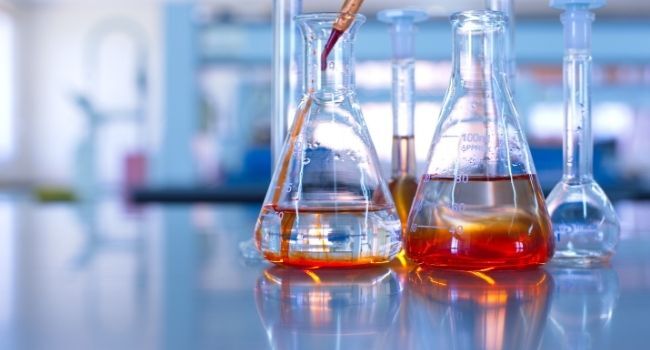
Fulvic acid promote the use of NPK fertilizer
In the compound fertilizer, urea is mainly used as nitrogen fertilizer. The fulvic acid can inhibit the decomposition of urea, reduce the volatilization of urea, and have a sustained release effect on urea. In the middle and late stages of crop growth, as the crop absorbs fulvic acid, its inhibitory effect on urease is weakened, then the urea release becomes gradually increased to accommodate the large demand for nitrogen during the period of vigorous crop development, thus the utilization rate of urea is improved.
Fulvic acid can form a complex of fulvic acid-metal-phosphate with the phosphate fertilizer, such as iron fulvic acid, aluminum fulvic acid, and phosphorus fulvic acid, which can prevent the fixation of phosphorus in the soil and make it easy for the crop to absorb it. The utilization rate will increase from 10%-20% to 28%-39%. In the soil, the phosphate fertilizer is generally monoammonium phosphate and diammonium phosphate. They are easily fixed in the soil, so the utilization rate is low. After adding fulvic acid, a ternary stable structure is formed to make phosphorus, iron, calcium, magnesium, aluminum or the like forms a ternary complex or chelate compound, thereby increasing the utilization of phosphorus.
Fulvic acid can promote the release of poorly soluble potassium, increase the release of potassium in the soil, convert it into potassium that can be absorbed and utilized, and improve the utilization of potassium.
Fulvic acid promote the use of micro-fertilizer:
At present, there are a series of micro fertilizers including sulfate, zinc sulfate, iron sulfate, copper sulfate and ketoacid, etc. When these micro fertilizers are applied into the soil, they are easy to be cured by the soil, and changed from soluble to insoluble which is difficult to be absorbed/utilized by crops. Therefore, micro fertilizers will lose their effectiveness.
After applying fulvic acid to the soil, the complexation reaction between fulvic acid (with reactive group like carboxyl, benzene hydroxyl, methoxy) and trace elements in the soil will convert the trace elements which are solidified/unabsorbable to be utilized, thereby greatly improving the utilization rate of trace elements.



Leave a Reply