
Fertilizing is a very important process to grow gorgeous flowers or healthy and fresh vegetables. Just like human-being, the lawn needs nutrients to combat disease and thrive. The question now is what should you use to do so, but the answer is so simple, it would be fertilizers! However, with so many choices on the market, it can be confusing in terms of nutrients availability, short or long-term effect on plants or soil. Basically, fertilizers fall into two main categories of organic and chemical. We are going to help you understand the difference between organic and chemical fertilizers so as to aid you in the process of finding the suitable one for your farming.
Introduction to fertilizers
Most plants benefit from fertilizing, whether it is natural or synthetic origin, as fertilizers increase the amount of beneficial microorganisms which is essential to the growth of plants. Fertilizers can also be classified into quick-acting, slow-acting or controlled release of nutrients release, according to the need of your plant. It is applied to the soil or at the foliage of the plants and the purpose of fertilizer use is:
• To provide the soil nutrient supply and maintain soil fertility in order to satisfy the needs of your plant
• To compensate for the nutrients exported by the harvested vegetables or lost by inevitable leakages to the environment.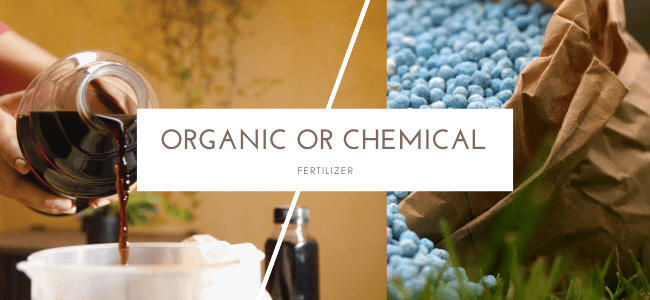
Organic fertilizer vs. Chemical fertilizer
Organic fertilizer simply means that the products are composed of natural materials like animal waste, bonemeal, powered minerals or leonardite humic acid that are formed through decomposition, so that the nutrients within the fertilizer is bound to retain its most natural form. Organic fertilizers may need some time to age before you can feed your garden. They are usually slow-acting as it requires chemical and biological process to take place first within the soil.
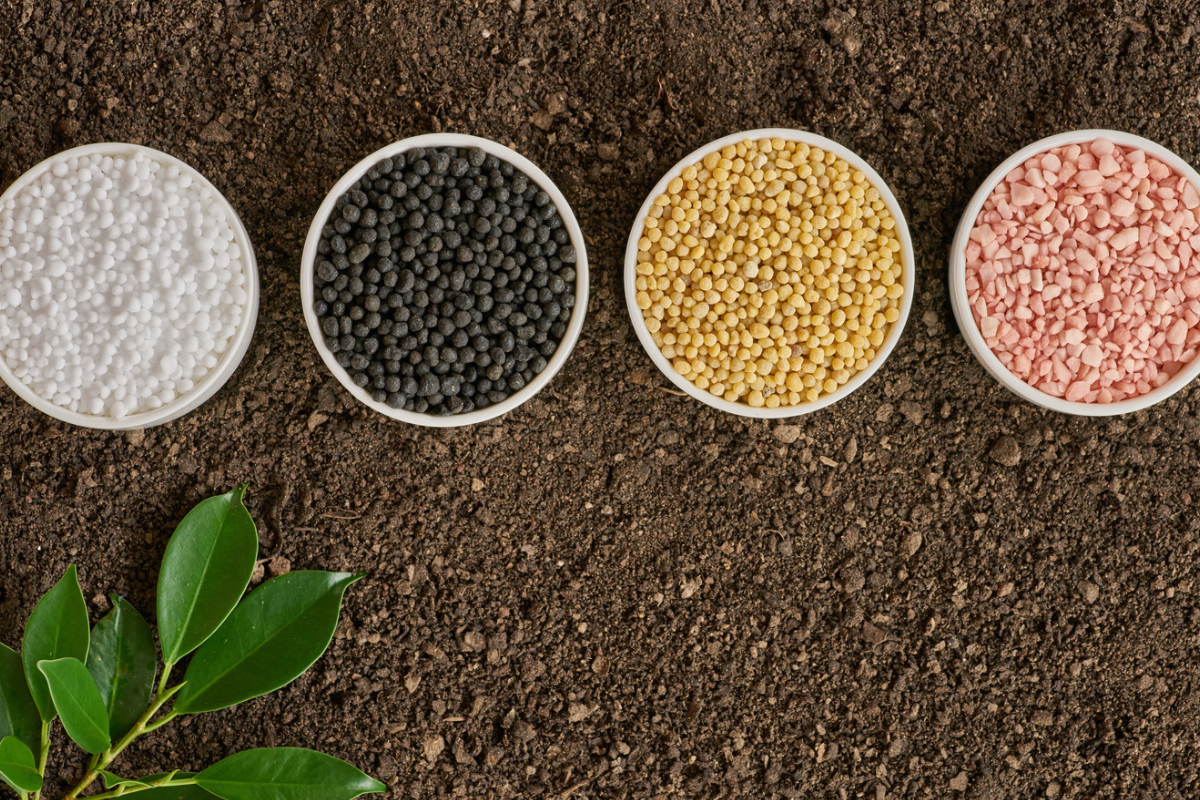
Chemical fertilizers are manmade or mined, widely available and used. Processed fertilizers are refined from natural materials like petroleum products, rocks and even chemicals like potassium sulfate. Nutrients are made concentrated and bind them in fixed ratios to make them more available to all types of plants. They are mostly quick-acting since the nutrients are concentrated which are immediately available to your crops or lawns.
Read on to find out more differences between organic and chemical fertilizers!
Cost
Price of organic fertilizers has a wide range from cost free manure from a backyard cow or homemade compost like eggshells, leaves or coffee grounds to expensive ones such as bagged bone meal. Other than these, you can try making your own natural fertilizers by mixing lime and basil, as they do not require any special equipment. Meanwhile, you can purchase New-nutri organic fertilizers, such as humic acid, potassium humate, fulvic acid, seaweed extract and other organic fertilizers, their products are inexpensive with high quality. While chemical fertilizers generally cost lesser than packaged organic fertilizers according to per gram of nutrients in it.
Environmental footprints
Organic fertilizers are renewable, biodegradable and environmentally friendly. It does not build up harmful residues of salts and chemicals or cause pollution since it can be deadly to plants. In contrast to chemical fertilizers, chemical fertilizers tend to release many chemicals like cadmium and uranium into the soil which changes the soil pH, increase pests, contaminate your fruits and vegetables and even contaminate the land and bodies of water as these elements are not easily biodegradable.
Easy storage
One of the benefits of chemical fertilizer is that large amounts can be stored in small spaces. As chemical fertilizers are highly analyzed to produce the highest amount of nutrients desired, a bag of high-grade fertilizer can be made equivalent of a barn filled with compost. This is sure to save space and see good and immediate results in merely a few days.
Acid content
One of the main disadvantages of chemical fertilizers, unlike organic fertilizers, is that some chemical fertilizers have high acid content like sulfuric acid and hydrochloric acid. In most cases, the soil should be slightly acidic (around pH 6.5) for your plant to grow healthily. However, chemical fertilizers is often contaminated with these high acid content chemicals that can result in the destruction of nitrogen- fixing bacteria, therefore reducing the amount of nitrogen supplied to a growing plant. On the other hand, organic materials in organic fertilizers support the growth of nitrogen-fixing bacteria.
Exact ratio of nutrients
Due to the factory process used to make the fertilizer, it will be printed on the packaging about the standardized ratios and chemical source making it easy to check and understand. You can track the amount of nutrients you are giving your plants and lawn. Unlike for organic fertilizers, nutrients ratio are often unknown, and it can only be a guess with so many factors to consider such as the weather conditions, condition of soil and the age of the compost.
At the end of the day, it’s really up to you. If you are looking for quality fertilizers (organic or chemical) from China, contact us today and find out more.
The Difference Between Organic and Chemical Fertilizers
Fertilizing is a very important process to grow gorgeous flowers or healthy and fresh vegetables. Just like human-being, the lawn needs nutrients to combat disease and thrive. The question now is what should you use to do so, but the answer is so simple, it would be fertilizers! However, with so many choices on the […]
Product Portfolio
Explore Our Solutions
Keep Reading
Related Articles
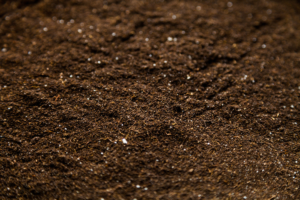
Effective combination and function of organic matter and lime
Soil health is the foundation of agricultural production, and the strategic addition of organic matter and lime can significantly improve soil fertility and structure. Let’s explore how these two key amendments can work together to improve soil health and support sustainable agricultural practices. Effects of organic matter on soil health Provide nutrients: Organic matter is […]

Customizing NPK Liquid fertilizers is the best way to achieve balanced plant nutrition
Nowadays, most farmers are going for customized NPK Liquid fertilizers as this is the best way to achieve balanced plant nutrition. Customized NPK Liquid fertilizers are based on the scientific plant nutrition principle. Customized NPK Liquid fertilizers are made out of micro and macronutrients that are required by most crops. They have been developed based […]

What crops are New-Nutri fertilizers suitable for?
“I have 10,000 square meters of cotton and potatoes. What kind of New-Nutri fertilizer should I choose?” I usually get this kind of question when trying to understand the needs of a new customer, my answer is, that all of our fertilizers suitable for all of your plants. My reasons are as follows: Organic fertilizers […]
Start a Supply Conversation
Get Specifications & Pricing Directly from the Source.
Share your product interest, target volume and market. Our technical team will respond with tailored specifications, packaging options and competitive pricing.
-
Response
Within 24 hours
-
Minimum
Flexible MOQ
-
Samples
Available on request
Request Product Information
Tell us what you need and we'll follow up with full specifications and pricing.
Leave a Reply